
Solar Panels for Older Homes in New Hampshire
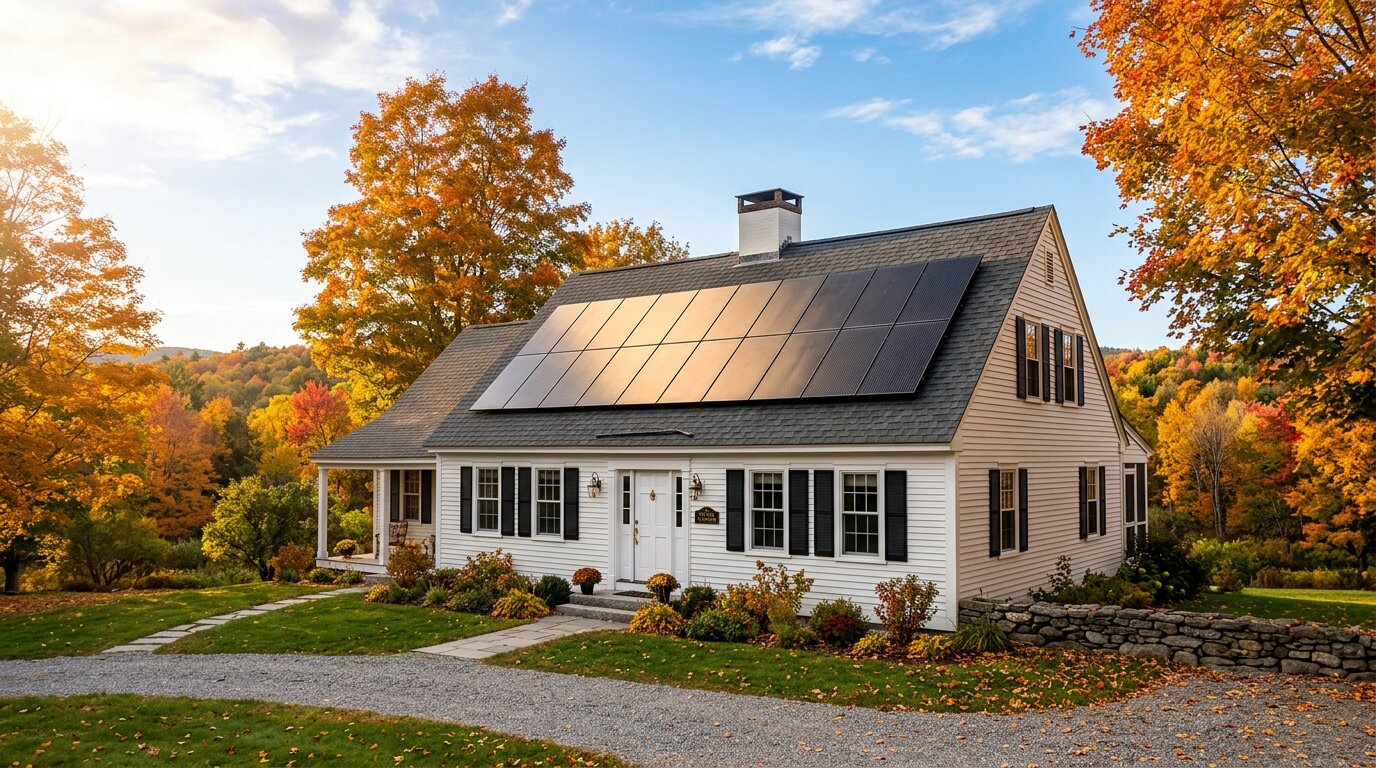
If you're living in one of New Hampshire's older homes, you might wonder if installing solar panels is worth the investment. With rising energy costs and increasing interest in sustainability, many are considering this upgrade. Before you jump in, though, you'll need to weigh key factors such as roof strength, installation costs, and what local incentives you might secure. Understanding these initial steps could reveal hidden advantages—and potential hurdles—you haven't considered yet.
Evaluating Roof Structure and Suitability for Solar
Before proceeding with the installation of solar panels on an older home in New Hampshire, it is essential to assess the roof's capability to support the additional weight and ensure structural integrity. Key considerations include evaluating the age of the roof, as older or worn roofing materials may not only reduce energy efficiency but also necessitate repairs prior to solar system installation.
Additionally, it is important to assess the site for any potential shading, which can significantly affect the efficiency of the solar panels and, consequently, the potential savings on electric bills. Generally, south-facing roof slopes are preferred, as they tend to receive the most sunlight, thereby maximizing renewable energy production.
Furthermore, the type of roofing material should be considered, as local solar providers may employ specific installation techniques depending on the surface. For instance, different types of shingles, metal, or tile roofs may require distinct approaches.
Lastly, it is advisable to consult with your local authorities or solar providers, such as https://solarpanelnewhampshire.com/Solar Panel New Hampshire, regarding permits, pricing options, and available tax credits to ensure compliance with regulations and achieve optimal financial benefits.
Proper due diligence in these areas is crucial for a successful solar installation.
Cost of Installing Solar Panels on Older Homes
Installing solar panels on older homes in New Hampshire can lead to significant long-term savings. However, the initial investment is often higher than for newer constructions. Residential solar system costs generally range from approximately $27,849 to $37,679, influenced by factors such as the specific site conditions and the size of the system needed.
Older homes may require upgrades to their electrical systems to accommodate solar installation, which can further increase overall expenses. Additionally, compliance with local regulations and policies may necessitate additional investments.
To mitigate upfront costs, various financing options are available through New Hampshire solar providers.
Financial incentives, including net metering, federal tax credits, and community power programs, can enhance the economic viability of solar installations by improving efficiency and reducing electricity expenses.
For further information on local providers and a better understanding of the installation process and backup power options, please feel free to reach out.
Factors Influencing Solar Panel Pricing in New Hampshire
The cost of solar panels in New Hampshire is influenced by several quantifiable factors. One primary consideration is the size of the solar array; for instance, a larger residential installation, such as a 10 kW system, will generally be more expensive than a smaller 5 kW system due to increased material and installation requirements.
Additionally, the choice of solar panels—specifically their type and efficiency—along with the reputation and reliability of the installation provider, also play significant roles in determining overall costs.
Another important aspect to consider is the permitting process mandated by local authorities and utility providers, which can add to the timeframe and complexity of the installation.
Furthermore, financial incentives, including federal tax credits and net metering programs, may reduce the overall financial burden associated with solar panel installations by enabling savings on electricity bills.
For more detailed information and guidance on these factors, feel free to reach out or explore the provided menu links.
Financing Options for Solar Upgrades
When evaluating the installation of solar panels on an older home in New Hampshire, it is essential to familiarize yourself with the various financing options available.
Homeowners in the state have a range of choices, including $0-down loans, solar leases, and Power Purchase Agreements (PPAs). These options can facilitate immediate savings on energy costs, with some arrangements leading to monthly payments that are lower than current electric bills.
Financial institutions and solar providers typically offer fixed-rate loans that can extend for up to 15 years, providing predictable repayment schedules.
It is advisable to compare the pros and cons of system ownership versus leasing arrangements, as well as to explore net metering incentives and the federal solar tax credit, which can significantly impact overall costs.
Before making a final decision, homeowners should thoroughly review pricing structures, utility service policies, and the processes surrounding backup power.
These factors can influence the long-term viability and efficiency of a solar energy system.
For further information, it may be beneficial to consult resources such as the Clean Energy States Alliance.
Comparing Local Solar Installation Companies
Choosing an appropriate solar installation company in New Hampshire is an important decision that can impact the success of your energy project. It is advisable to select a provider with a solid reputation, as indicated by industry recognition such as Best of Business awards and positive customer feedback.
In New Hampshire, you may consider comparing well-established multi-state providers like Palmetto Energy with regional firms such as SRsolarNH. The strengths of local companies include their familiarity with the specific energy needs in the area, an emphasis on installation efficiency, and their approach to customer service.
When evaluating potential solar companies, there are several factors to consider. Warranty policies are critical, as they reflect the company’s confidence in their products and services. Pricing structures should be examined comprehensively, including any hidden costs that may arise over the lifespan of the system.
Additionally, the site evaluation process is vital; companies should offer thorough assessments to determine the optimal setup for your property. It is also beneficial to check their connections with Community Power programs, which can affect your energy savings and sustainability goals.
Services such as battery backup power, ongoing system maintenance, and energy assessments should also be part of your assessment criteria. A reliable provider will be equipped to assist you with navigating New Hampshire’s utility regulations, facilitating net metering connections, and ultimately aiding in reducing your electricity expenses.
Understanding Available Incentives and Rebates
In New Hampshire, a variety of financial incentives are available that can enhance the cost-effectiveness of installing solar panels on older homes. The federal tax credit allows homeowners to deduct 26% of the system’s cost from their federal taxes, which can significantly reduce the overall investment.
Additionally, the state’s Residential Renewable Electrical Generation Rebate Program provides direct rebates that further decrease expenses associated with solar installation.
Net metering credits can also be utilized to offset electric bills, delivering ongoing savings over time. Homeowners may want to explore Community Power programs and specific utility offers that could provide additional financial benefits.
It is advisable to regularly consult the state Department of Energy and relevant providers to stay informed of any updates to policies and incentives. For clarification on rebates, pricing, backup power options, and the application process, reaching out directly to the service provider or relevant authorities is recommended.
Maximizing Long-Term Savings with Solar Energy
Installing solar panels on older homes in New Hampshire presents a viable solution to counteract the rising utility rates. By utilizing solar energy, homeowners can potentially achieve savings of approximately $51,045 over a 25-year period, a figure that reflects cumulative reductions in electricity expenses.
Financing options, including $0-down loans, allow for immediate savings on electric bills without the need for upfront capital. The state's net metering policy enables homeowners to receive credit for excess energy generated, further enhancing the economic viability of solar investments.
Moreover, available federal tax credits can significantly reduce the initial cost of solar panel installation, thereby improving overall efficiency and affordability. Additionally, the installation of solar panels may contribute positively to property values, as energy-efficient upgrades are often viewed favorably in the real estate market.
Furthermore, investment in solar technology aligns with New Hampshire's renewable Community Power initiatives, which aim to expand access to renewable energy sources.
For further information, including reliable provider resources and pertinent policy links, please consult the site menu.
Key Considerations for Maintenance and System Longevity
To ensure that solar panels provide consistent energy savings over time, it is important to focus on ongoing maintenance and the longevity of the system.
Regular cleaning of the panels and periodic monitoring of energy output are essential practices to enhance system efficiency. Engaging with reliable service providers in New Hampshire is advisable, as they possess knowledge of local utility regulations, Department of Energy guidelines, net metering policies, and Community Power initiatives.
Selecting solar panels with warranties extending up to 25 years can offer assurance regarding their durability and performance.
Additionally, ensuring that installation is performed by qualified professionals can mitigate electrical risks, particularly in older residential settings.
Regular maintenance not only contributes to reduced electricity costs but may also enhance backup power capabilities.
It is prudent to review available financial incentives, including federal tax credits and the New Hampshire renewable energy tax credit, to identify potential savings opportunities.
For further information, please reach out to us.
Conclusion
By carefully considering your home's structure, available incentives, and the right solar provider, you can successfully upgrade your older New Hampshire home with solar panels. With the right system in place, you'll save on energy bills, boost your property value, and reduce your environmental impact. Investing in solar is a practical step for a more sustainable future—one that offers long-term benefits for you, your household, and the community. Don’t overlook these advantages when planning your installation.