
What a Home Energy Management System Is and Whether You Need One
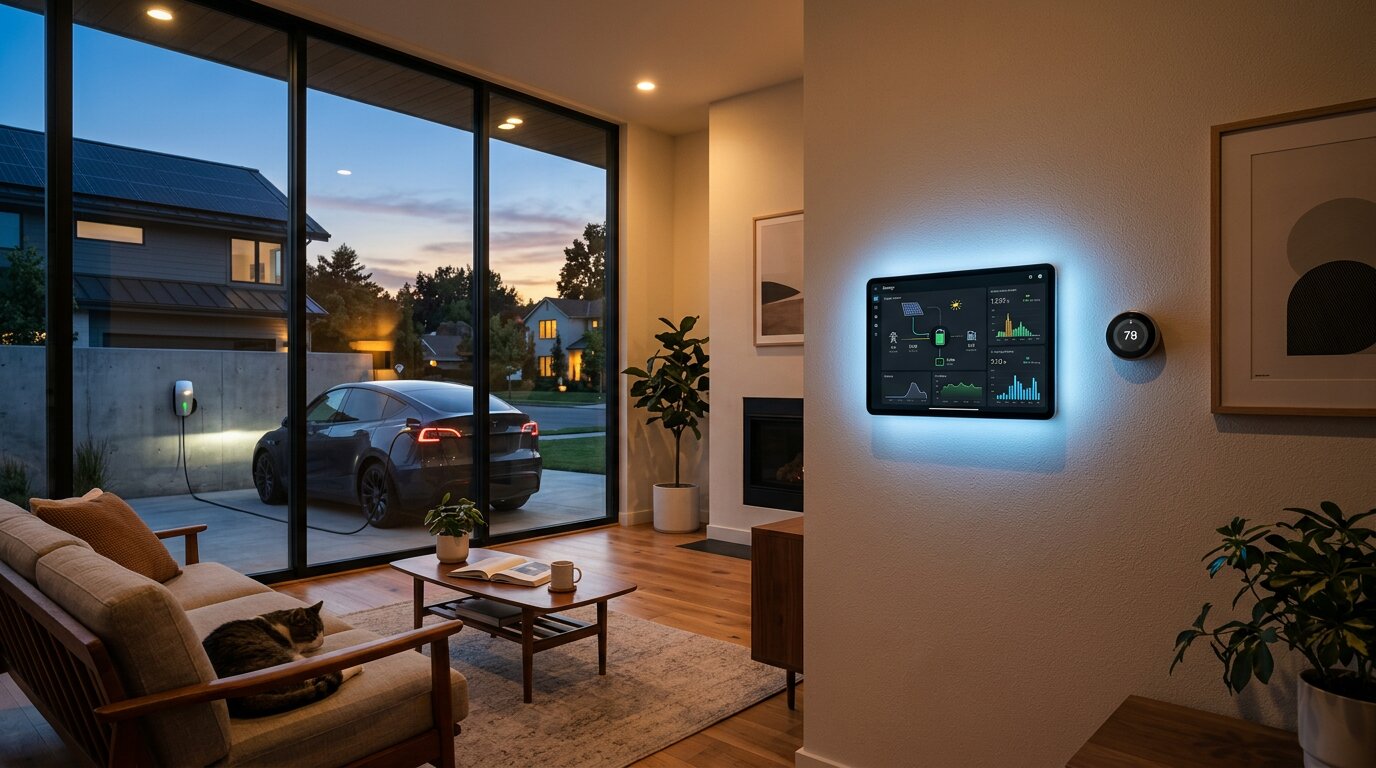
If you’ve ever wondered how to cut your energy bills or make your home more efficient, you might want to consider a Home Energy Management System. This technology puts control of your energy use right at your fingertips and seamlessly connects with smart devices. It tracks your consumption, offers real-time feedback, and can even help tailor your routines for greater comfort and savings. But the real question is, do you need one?
How Home Energy Management Systems Work
A Home Energy Management System (HEMS) facilitates the efficient management of energy consumption within residential environments. Upon installation, the central hub of the HEMS integrates data from various connected devices, including appliances, thermostats, and lighting systems. This integration creates a cohesive network that autonomously adjusts energy usage by responding to real-time variables such as demand fluctuations and peak usage periods.
The intelligence embedded in HEMS allows for effective monitoring of energy loads, optimization of heating and cooling systems, and management of electric vehicle (EV) charging or solar energy production. In doing so, users can mitigate potential costs associated with high electricity rates.
HEMS also enables remote control of connected devices, providing users with the capability to track their energy consumption and take advantage of potential utility incentives.
Moreover, the operational efficiency of HEMS can contribute to overall energy savings and facilitate participation in demand response programs, wherein consumers adjust their energy use based on pricing signals from utility providers.
By providing a structured approach to energy management, HEMS represents a practical solution for households aiming to reduce energy expenditures and enhance overall efficiency.
Key Features and Technologies in HEMS
A Home Energy Management System (HEMS) is built on several key features and technologies designed to facilitate the monitoring and optimization of electricity consumption. Central to a HEMS are real-time energy monitors, a central hub, and intelligent controllers. These components enable users to manage a variety of devices within a residential energy ecosystem, such as electric vehicle chargers and smart thermostats.
HEMS systems are capable of supporting utility programs, which can include demand response initiatives that automatically adjust energy loads during peak consumption periods. Furthermore, these systems can integrate with solar photovoltaic panels, allowing for the efficient management of excess solar energy production.
One of the primary benefits of implementing a HEMS is the capability for remote access, enabling users to track energy usage in real time. This functionality can lead to financial savings by allowing users to shift energy consumption to times when electricity rates are lower.
Overall, the integration of these technologies aids in achieving both cost savings and improved energy efficiency within the home.
Components Required for Effective Energy Management
Effective home energy management requires several key components, including reliable connectivity, device compatibility, and integrated control. A robust Wi-Fi network is essential for a Smart Home Energy Management System (HEMS), as it enables real-time communication among various devices, such as appliances, thermostats, and electric vehicle (EV) chargers.
Additionally, the system should integrate with energy monitors, controllers, and storage solutions to track energy load, excessive solar production, and overall solar generation. This integration allows users to monitor and optimize their energy consumption effectively.
Remote access capabilities are also crucial, as they enable users to adjust heating and cooling systems during periods of lower electricity rates. Implementing automation within the system can further assist in managing energy use by preventing consumption during expensive peak hours and helping to maintain a balanced load on the grid.
By ensuring that all components work cohesively, homeowners can achieve cost savings, benefit from potential incentives, and enhance their control over electricity expenses and overall energy efficiency.
Advantages of Installing a HEMS
Investing in a Home Energy Management System (HEMS) presents a range of tangible benefits that can enhance energy efficiency within a residential setting. HEMS facilitate real-time monitoring of energy consumption, allowing homeowners to identify the energy usage of individual devices. This capability offers a granular view of energy patterns, which can inform more strategic energy use.
One of the primary advantages of HEMS is their ability to enable smart automation. By optimizing the timing of energy-intensive activities, such as electric vehicle charging or heating and cooling, homeowners can effectively reduce electricity costs. This is achieved by shifting these loads to off-peak hours when electricity rates are typically lower.
Moreover, integrating HEMS with solar panel systems, such as those available through Solar Installation West Palm Beach, FL, can maximize the use of generated solar energy. This integration can help manage how surplus solar power is utilized, aligning consumption with grid conditions, and reducing reliance on power during high-cost peak hours.
Additionally, various local incentives and utility programs may provide further financial benefits, enhancing the overall cost-effectiveness of implementing HEMS.
These elements work together to create a framework for more efficient and informed management of energy use in the home. Such systematic approaches to energy management not only promote financial savings but also contribute to broader energy conservation efforts.
Choosing the Right HEMS for Your Home
Selecting a Home Energy Management System (HEMS) requires a thorough understanding of your household's electricity consumption patterns and how those patterns align with the functionalities of available HEMS options.
Begin by analyzing your energy usage, identifying peak consumption hours, and ensuring compatibility with devices such as smart appliances, solar panels, and electric vehicle (EV) chargers.
It is also important to evaluate the system's intelligence and automation capabilities. Key features to consider include demand response functionalities, real-time monitoring, and remote access options. These components can enhance both energy efficiency and user engagement.
Additionally, explore any incentives or programs offered by utility companies that may assist in managing costs, particularly during peak pricing periods. An evaluation of both upfront costs and long-term savings potential is crucial, alongside a consideration of how these energy management systems function as part of a larger interconnected ecosystem.
Finally, to gain a comprehensive understanding of your options, review available resources such as FAQs, blogs related to HEMS technology, terms of service, and privacy policies.
If necessary, don’t hesitate to contact customer support for further clarification on specific systems.
Conclusion
A Home Energy Management System gives you more control over your energy consumption, helping you save money and reduce your environmental impact. With real-time insights and smart automation, you can tailor energy use to fit your needs and lifestyle. HEMS makes it easier to manage costs and support sustainability efforts. If you're looking to increase efficiency and gain transparency with your energy usage, investing in a HEMS could be a practical and forward-thinking decision.